
If you leave a stump alone, how long until it's gone? The honest answer is years, and it varies by species and size. No NC State Extension timeline was found for stump decay. One home-and-garden source (Hunker) puts softwood stumps such as pine at several years, around seven, and hardwoods such as oak at up to about 20 years. Treat those as rough figures, not promises: a small pine stump in a damp, shady spot may soften much faster than a wide oak stump in full sun.
Stump Grinding Durham is a free quote service, not a tree company. We connect Durham-area homeowners with independent local stump grinding and tree companies for free, no-obligation quotes; the company you choose quotes, schedules and does the work directly with you.
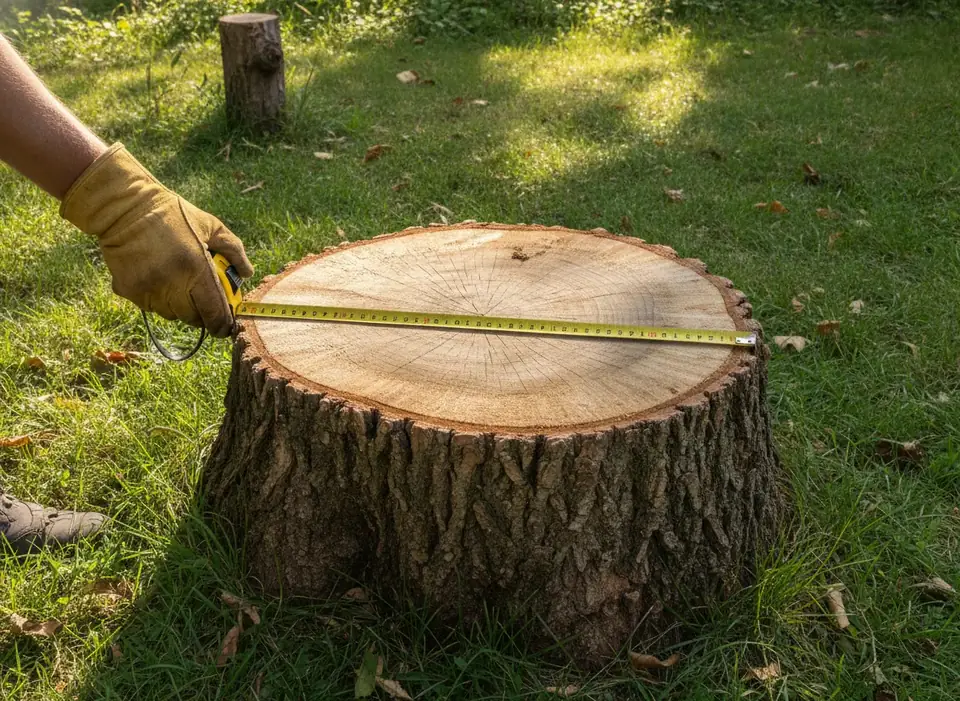
Hardwood vs. pine
The Durham area has both. NRCS soil descriptions list the wooded vegetation on the area's Triassic-basin soils as "loblolly and shortleaf pines, oaks, hickories, and gums," and the city's streets are lined with willow oaks.
- Pine (loblolly, shortleaf): softwood, and typically the faster of the two to break down. Pine stumps are common on newer lots cleared for building, especially in fast-growing towns like Apex and Morrisville.
- Oak and other hardwoods: dense wood that typically takes much longer. Willow oaks, red oaks and white oaks can leave wide stumps that stay solid for many years.
Size matters as much as species. A wide stump has far more wood to break down, and the main roots go on decaying underground long after the top has crumbled.
What speeds up (or slows down) decay
Rot is the work of fungi and other organisms, and they need moisture, air and warmth. According to Hunker and Northern Woodlands, warm, humid climates and stumps cut low to the ground decay faster. In practice:
- Cut it low. A stump cut close to the soil stays moist and gets colonized sooner than a tall one that dries out.
- Keep it damp. Shade and moist soil help; a dry, sunny stump lasts longer.
- Break it up. Drilling holes or covering it with soil or mulch gives fungi more surface to work with.
- Chemical "stump removers" (usually potassium nitrate) are sold as decay accelerants, but no extension testing of that claim was found. Their label directions involve burning the stump weeks later, which is illegal inside Durham city limits. See potassium nitrate and chemical stump removers.
Even with every trick, you are still looking at years for a full-size hardwood stump.
What happens in your yard while it rots
Mushrooms
NC State Extension explains that lawn mushrooms are "saprophytes, meaning they decompose dead organic matter like buried wood, old tree roots, or thatch." Mushrooms around an old stump, or in a ring where a tree used to be, are a sign the buried wood is rotting, not a lawn disease. NC State also notes that removing buried woody debris before planting turf can prevent fairy rings from starting.
Termites
Eastern subterranean termites feed on "almost anything that contains cellulose," and a rotting stump qualifies. NC State Extension is clear, though, that swarmers found outdoors near tree stumps "are not an indication that your house is infested." Wood touching the soil at the house is the condition to worry about. Our post Do tree stumps attract termites? covers this in detail.
Sprouts
Some species fight back. NC State lists tree-of-heaven, black locust and mimosa as sprouting from roots or cut stumps, and USDA Forest Service research documents sweetgum sprouting from low stumps. A stump that keeps sending up shoots won't rot quietly; tree-of-heaven in particular needs a herbicide plan, and anyone applying herbicide for hire needs an NCDA&CS commercial pesticide applicator license.
Sinking ground
As buried stumps and roots decay, the soil above can settle into the void (Fairfax County Soil and Water Conservation District and Delaware DNREC both describe this). Expect some settling over time, and top up low spots with soil and reseed. Several Durham-area soils, such as the White Store and Creedmoor series, are high shrink-swell clays that can move with wet and dry cycles.
Waiting vs. grinding
Waiting is free but slow, and the stump stays in the way of mowing, planting and building the whole time. Grinding removes the visible stump in one visit, typically to 6–12 inches below grade, and leaves a hole of chips and soil you can fill and seed. It does not remove every root; the buried roots still rot on their own schedule, so the fill will settle as chips decompose. Top it up after a few months.
Typical ranges from published cost guides (2025–2026) — estimates, not quotes:
| Item | Typical range |
|---|---|
| Small stump (≤10 in) | $40–$75 |
| Medium stump (10–30 in) | $75–$150 |
| Large stump (>30 in) | $200–$420 |
| Per inch of diameter | $2–$5 per inch |
| Minimum charge | about $100 |
| Surface root grinding | about $100–$200 per hour |
Hardwood stumps can carry a surcharge in some cost guides. Use the Durham stump grinding cost calculator for a rough estimate, and see root grinding if surface roots are part of the problem, or multiple stump grinding for a lot full of old pine stumps. In Apex, where most housing is recent, see stump grinding in Apex.
When you get a quote, ask for the grinding depth in writing, whether surface roots and chip haul-away are included, and who requests the NC 811 locate (mechanized grinding appears to count as excavation under the state's 811 law).
Frequently asked questions
How long does a pine stump take to rot?
No NC State Extension figure was found. One home-and-garden source puts softwood stumps such as pine at several years, around seven, to rot naturally. The actual time varies by species and size, how low the stump was cut and how wet the site is. Warm, humid climates like the Triangle's tend to speed decay compared with colder regions.
How long does an oak stump take to rot?
Hardwoods such as oak typically take much longer than pine. The same home-and-garden source says an oak stump can take up to about 20 years to rot away on its own. Times vary by species and size, so a large willow oak stump may stay solid for many years. Grinding removes the visible stump in a single visit.
Are mushrooms around an old stump a problem?
Usually not. NC State Extension explains that lawn mushrooms are saprophytes that decompose dead organic matter such as buried wood and old tree roots. Mushrooms near a stump or a ground-out stump site are a sign the roots are rotting, not a lawn disease. They fade as the buried wood is used up.
Don't want to wait years?
A free quote request takes about a minute. Independent local stump grinding companies can quote your stumps, and you decide whether to go ahead.